

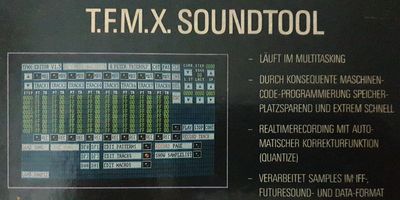
When I visited German game studio Rainbow Arts for the second time in 1989, I spent a lot of time with my friend Ramiro Vaca, and therefore with 8- and 16-bit music wizard Chris Hülsbeck (then still with an umlaut), who was sharing a flat in Düsseldorf with Ramiro, and their friend Peter Thierolf.
Chris knew that I had been making music on the C64 with Ramiro, so we talked about current music software on the Amiga, particularly Tracker variants – I can’t remember what I was using at the time, but I’m almost sure it was not the original Ultimate Soundtracker, even though Protracker didn’t exist yet. At some point he played a demo song he had made with his own tool, TFMX (short for “The Final Musicsystem eXtended”), which blew me away: it played samples backwards and had “time correction in real-time”, i.e. the playing length of a sample didn’t change with the pitch. The latter was something professional music studios were just figuring out, and it was unbelievable that a normal Amiga could do it.
Peter had also joined us, and he suggested they could demonstrate the software that had produced that song. Chris had created the concepts and the replay routine, while Peter had written the editor. It was much more complicated than the software I was used to, but the way it worked was not too unintuitive (especially with my background using Hülsbeck’s Soundmonitor on the C64), and there was a full manual to explain the editor and the features of the replay routine. In fact, the complete package would be available in a few months commercially, and what they showed me was the proof that had been created to show the people at Demonware (who were set to publish it) what it would look like.
I was very impressed, both with the software and the presentation. Impressed enough, apparently, that after a short discussion they offered to give it to me.* They didn’t need it anymore as the first production copies would arrive shortly, and they had a slightly different internal version anyway.
So the following is an absolutely exclusive and unique prototype, assembled by Hülsbeck and Thierolf themselves, partly from items received from Demonware’s graphics department, partly from items they had procured on their own. This is not going to be a technical description of TFMX: there are other places where you can find that, and if I should decide to go into those details, it will be in a separate article. Also, please note that I have never seen a copy of the finished product outside of an eBay listing, so I might describe things that are the same in the final version. But as far as I know, there are not many copies of the commercial version around either, so I hope that’s fine.
Let me dust off the billiard cloth.
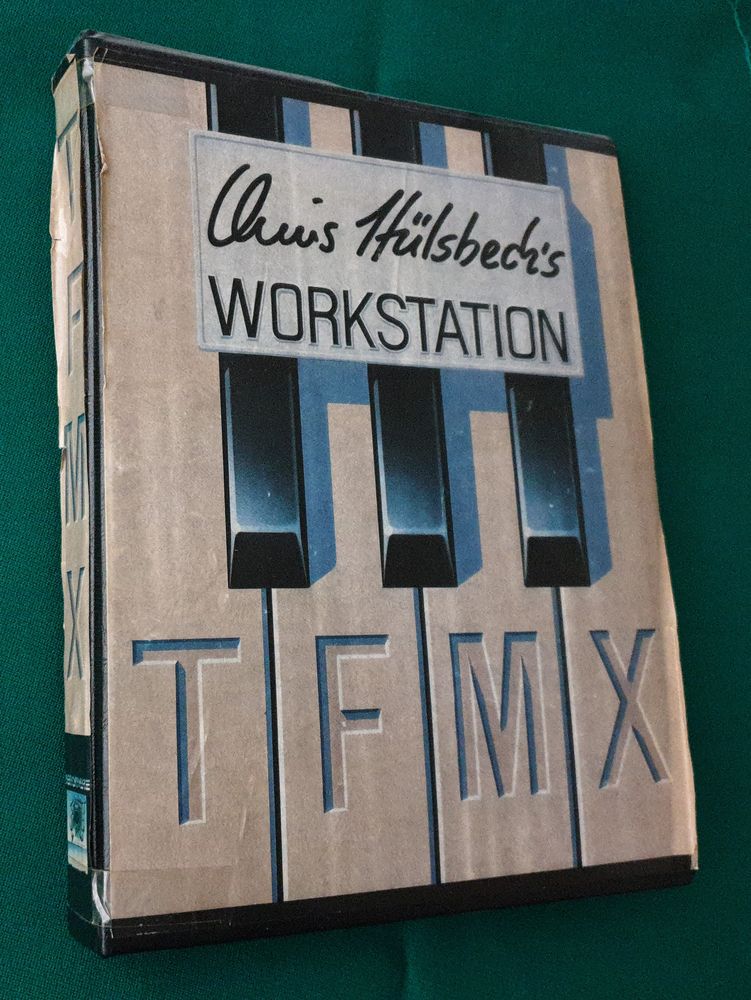
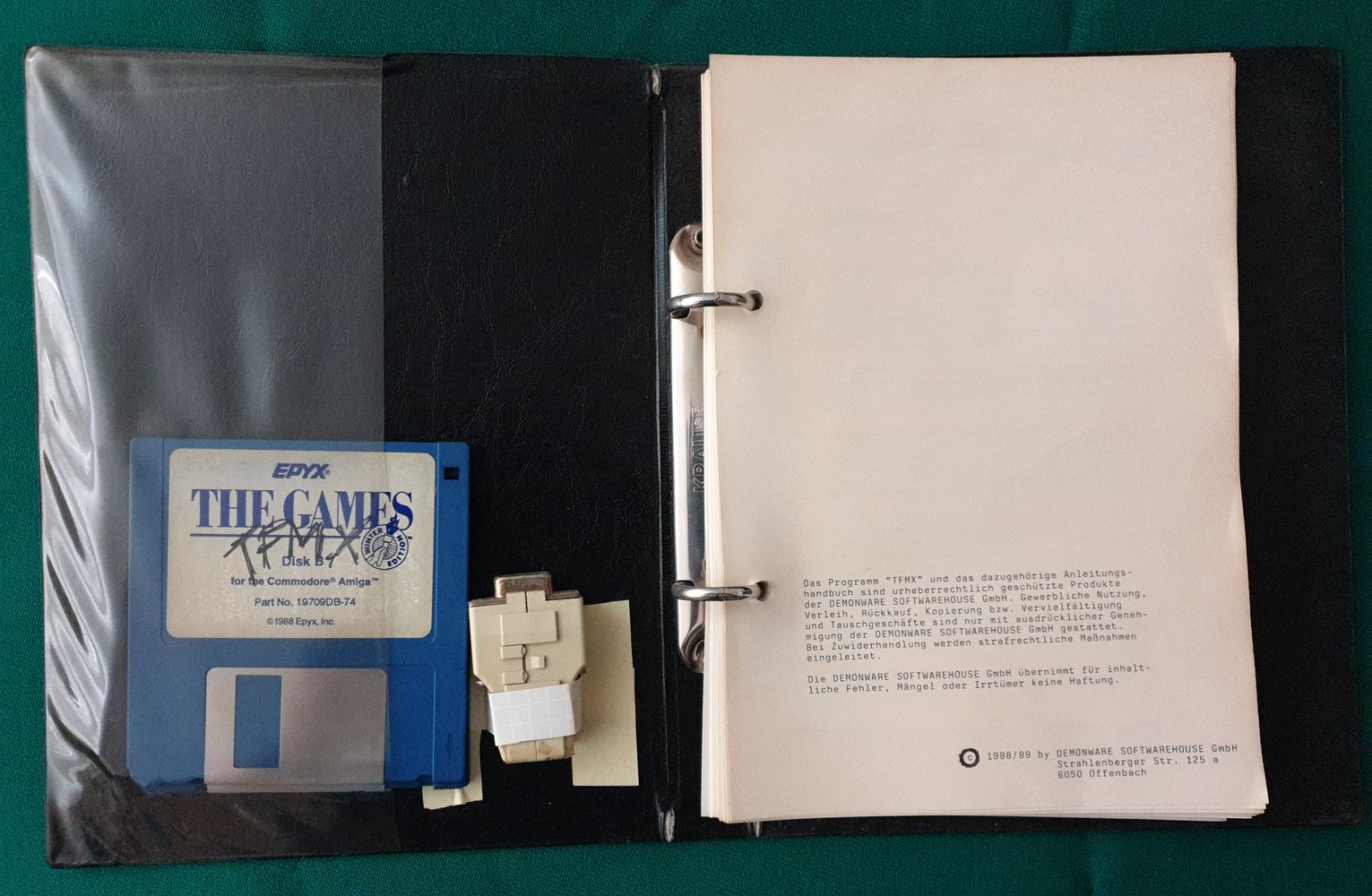
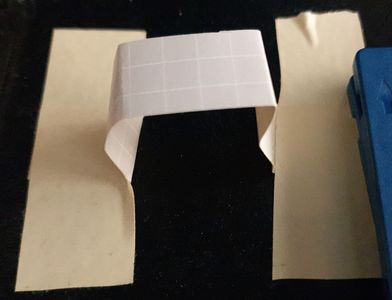
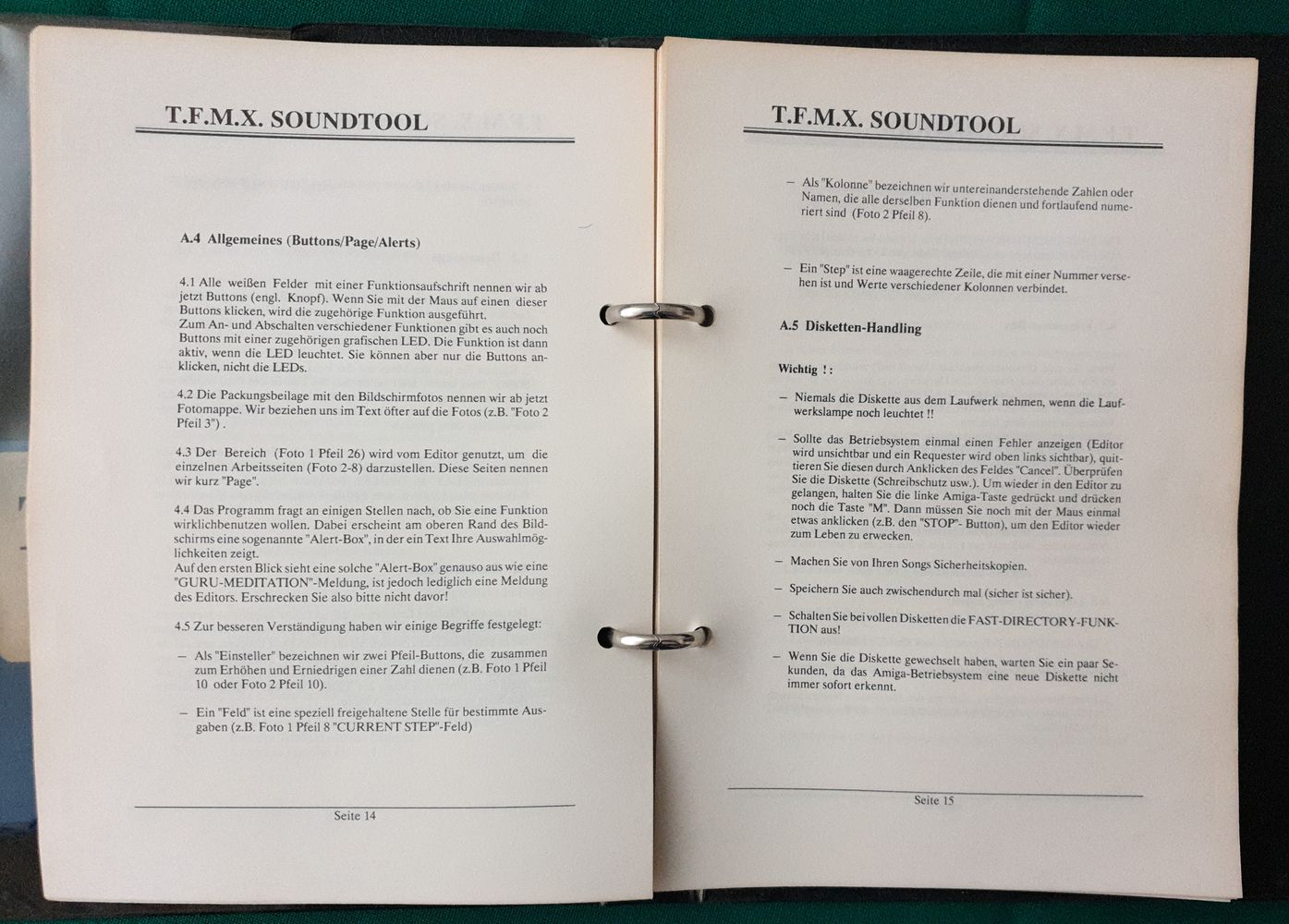
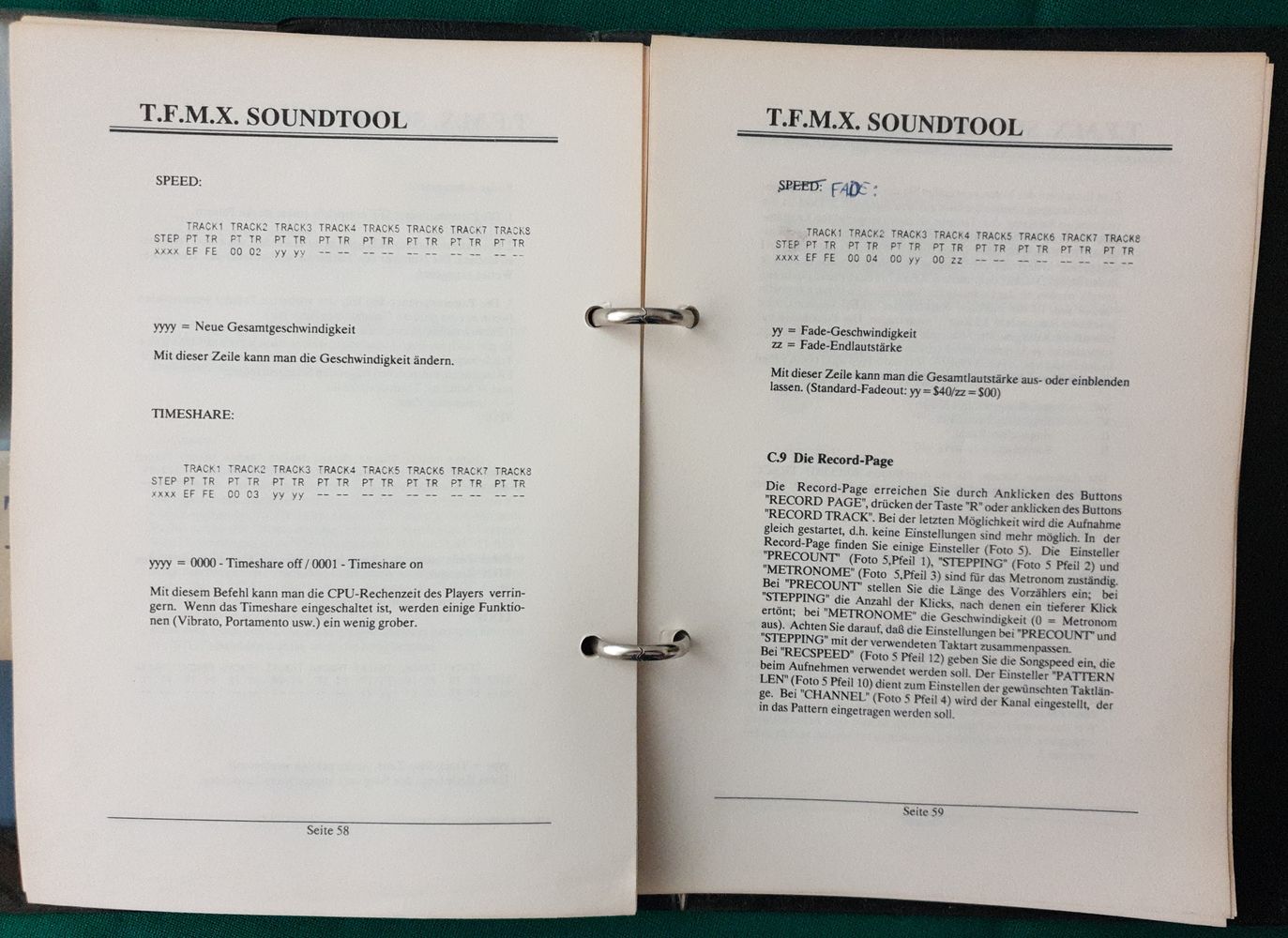
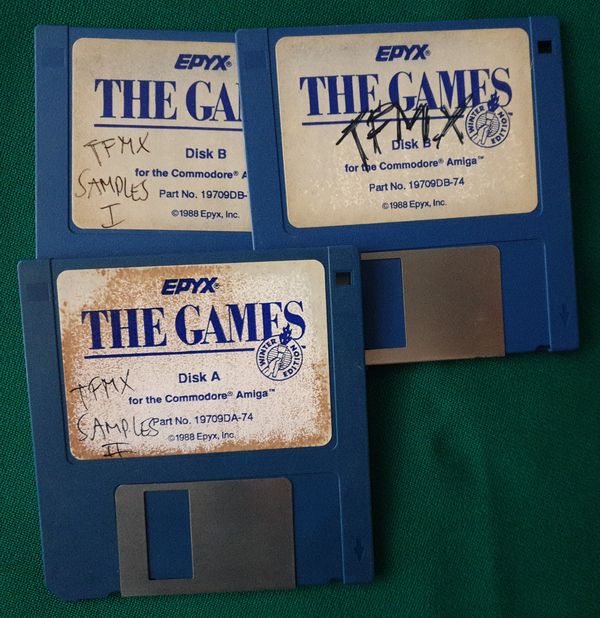
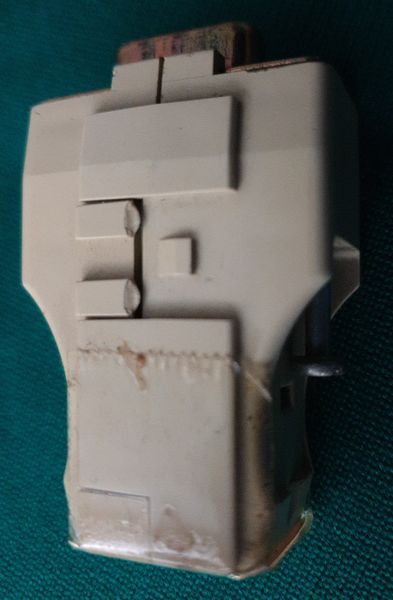
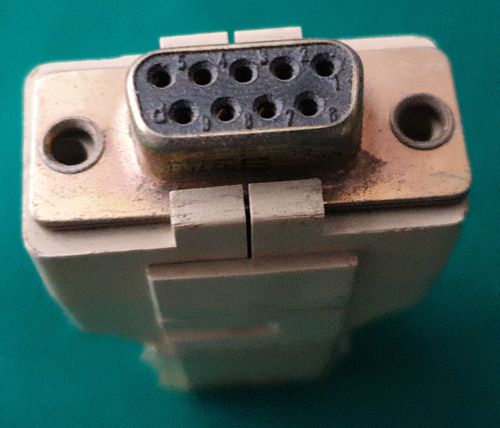
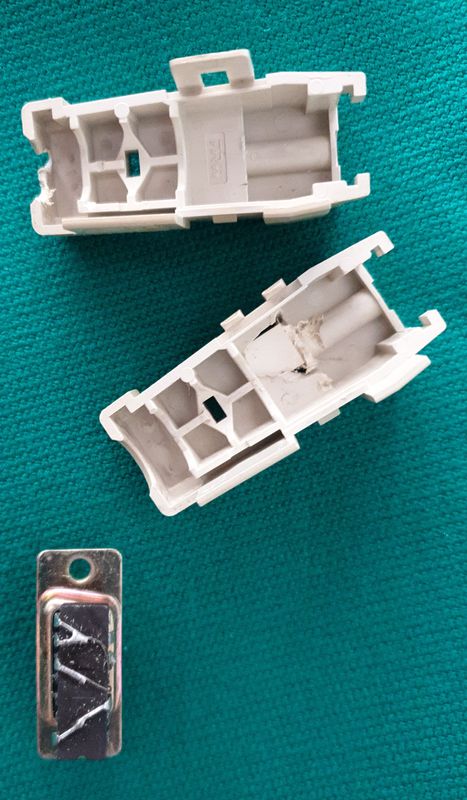
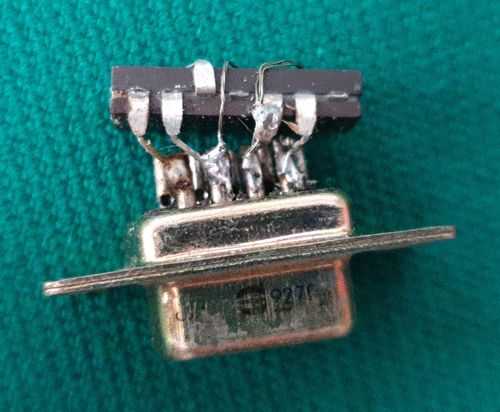
And that’s all I can tell and/or show you right now. If anybody is interested in more detailed photos, please contact me, but I’ll say right now that I won’t scan the full manual.
*This is all based on nebulous recollections from 35 years ago, and I’m sure Chris and Peter will remember it slightly differently, if at all. But I can assure you that what I’m describing here is very close to what really happened.